
How to Choose Industrial Solar Panels for Your Business?
Choosing Industrial Solar Panels is a practical investment decision, not simply a search for the highest wattage. A factory roof, warehouse yard, or processing site has different energy demands, weather conditions, and structural limits. In practice, the right system begins with twelve months of electricity bills and an accurate site assessment. Engineers should examine roof orientation, shading, wind exposure, drainage, and available installation space. A panel that performs well in a sunny brochure may produce less energy beside dust, smoke, or nearby buildings.
Technical quality matters. Compare efficiency, temperature coefficient, degradation rate, fire classification, and warranty coverage. High efficiency can be valuable when roof space is limited. A lower temperature coefficient may support stronger output during hot afternoons. However, premium specifications do not automatically create the best return. The inverter, mounting structure, cabling, monitoring system, and maintenance plan also influence long-term performance. Ask suppliers for independent test certificates, realistic production estimates, and clear service commitments. Check how quickly damaged components can be replaced. That detail is often overlooked.
Consider the business itself. A cold-storage facility may value stable daytime generation, while a metal workshop could have sharp midday demand. Battery storage may help, but its cost, safety requirements, and replacement timeline need careful review. Local installers with documented industrial projects can provide useful experience, though their recommendations should still be independently examined. No selection is perfect. Weather changes. Energy prices move. Some projections may be too optimistic. A reliable decision accepts uncertainty, verifies the evidence, and chooses a system that remains manageable after installation.
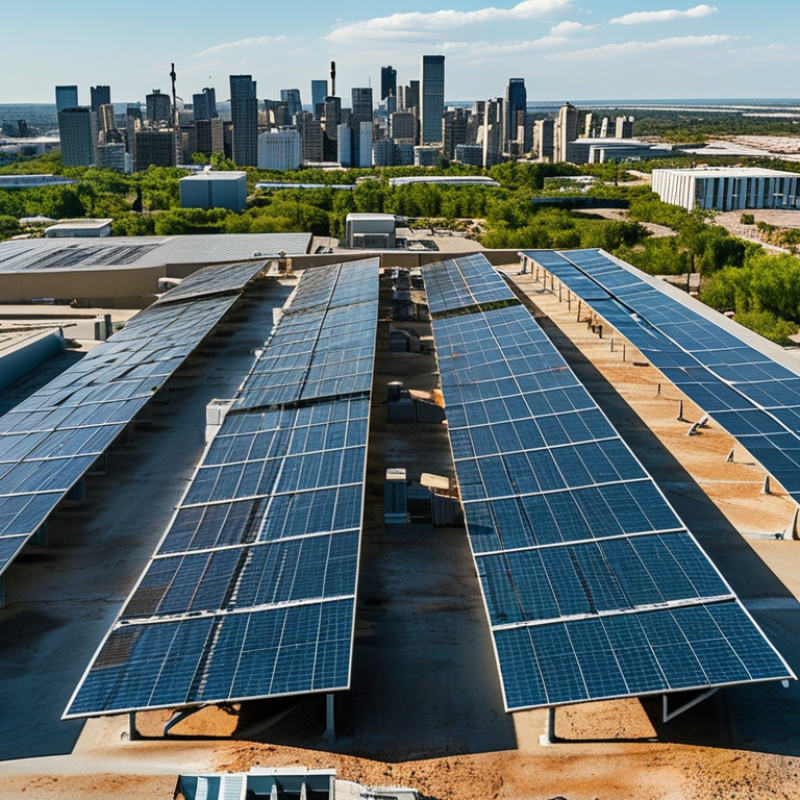
Assess Industrial Energy Demand and Peak Loads Before Selecting Panels
How to Choose Industrial Solar Panels for Your Business?
Assessing energy demand should come before comparing panel wattage or surface area. Collect at least twelve months of electricity bills and interval meter data. Look for daily consumption patterns, seasonal changes, and demand charges. A factory running cold storage may need steady power overnight. A workshop may create sharp peaks during shift changes. These details affect panel capacity, inverter selection, and possible battery needs.
Peak demand matters more than average usage. Review the highest fifteen-minute or thirty-minute intervals shown by your utility records. Note when these peaks occur and which equipment causes them. Motors, compressors, welding systems, and electric heating can briefly draw substantial power. Solar generation usually rises around midday, so it may not match an early morning peak. That mismatch can reduce savings, even when annual sunlight appears excellent.
Future expansion also deserves a realistic estimate. New machinery, longer shifts, or electric vehicles can change the load profile within a few years. However, guessing too high may create unnecessary installation costs. A practical assessment compares measured demand with planned growth and available roof space. Inspect shading, roof condition, ventilation, and maintenance access before approving a design. Initial calculations are rarely perfect. Recheck them after discussing production schedules with facility managers and electricians. Their practical observations often reveal loads that spreadsheets miss.
Compare Panel Technologies by 20–23% Module Efficiency and Temperature Coefficient
How to Choose Industrial Solar Panels for Your Business?
Compare Panel Technologies by 20–23% Module Efficiency and Temperature Coefficient
For industrial roofs, module efficiency affects how much power fits on limited space. Fraunhofer ISE’s Photovoltaics Report 2024 places many commercial crystalline-silicon modules near the 20–23% efficiency range. A higher rating can reduce racking, cabling, and installation pressure. However, efficiency alone does not guarantee better annual output. Roof access, shading, dust, and inverter sizing still matter.
Temperature coefficient deserves equal attention. Crystalline-silicon modules commonly lose about 0.30–0.40% of power for every 1°C increase above standard test conditions, according to data summarized by Fraunhofer ISE. Thin-film technologies often show a smaller loss, near 0.20–0.30% per °C. On a dark warehouse roof reaching 65°C, that difference becomes visible. A module rated at 25°C may operate roughly 12–16% below its rated power during extreme heat. Real conditions vary.
The IEA PVPS Trends 2024 report highlights the continued expansion of utility-scale and commercial solar deployment. That growth makes comparable performance data more valuable. Ask suppliers for temperature coefficients, low-light behavior, degradation rates, and independent test results. Check whether the quoted 20–23% efficiency applies to the exact production model. Marketing sheets can simplify reality. We have seen clean calculations fail after dust buildup and poor ventilation. A slightly less efficient panel may produce more energy when its temperature response suits your site.
Size the Solar Array Using Site Irradiance, Load Profiles, and Performance Ratio
Choosing industrial solar panels starts with the site, not the panel label. Measure annual solar irradiance from reliable local data, then inspect roof orientation, shading, dust, and temperature. A shaded vent can reduce output across several panel rows.
Match the solar array to your load profile. Review hourly electricity use, production schedules, weekend demand, and seasonal peaks. A factory operating during daylight may use more solar directly, while a night-heavy facility may need storage or grid support. Estimate system size with this practical formula: annual electricity demand ÷ (annual irradiance × performance ratio). A performance ratio near 0.75 to 0.85 is often a reasonable planning range, but site conditions can push it lower. The first estimate will not be perfect.
Tips: Use fifteen-minute meter data when available. Compare summer and winter loads separately. Leave space for maintenance access. Check whether dust, snow, or high heat could reduce production. Include inverter losses, wiring losses, panel degradation, and occasional downtime. A slightly smaller system may perform better if the roof has complex shading. That trade-off deserves review. Conversely, oversizing may create midday surplus and weaker financial returns. Confirm assumptions with an independent engineer and measured site data before purchasing equipment.
How to Choose Industrial Solar Panels for Your Business?
Size the Solar Array Using Site Irradiance, Load Profiles, and Performance Ratio
This example models a 500 kWp industrial solar array using representative monthly peak sun hours, a 0.80 performance ratio, and a typical commercial electricity demand profile. Annual solar generation is approximately 633 MWh, covering about 47% of the modeled annual load. Final system sizing should use a site-specific irradiance assessment, interval load data, roof or ground area, shading analysis, and export limitations.
Evaluate 25–30-Year Warranties, 0.3–0.5% Annual Degradation, and Output
Choosing industrial solar panels requires more than comparing the highest wattage on a data sheet. A 25–30-year warranty can support long-term planning, but its wording matters. Check whether it covers product defects, power output, labor, and replacement shipping. Some warranties appear generous yet exclude installation-related problems. Ask for clear claim procedures and documented testing standards.
Annual degradation deserves equal attention. A rate of 0.3–0.5% means gradual output loss each year. After 25 years, the difference becomes significant. A simple model can reveal this gap. However, predicted output is not guaranteed production. Heat, dust, shading, snow, cable losses, and inverter downtime also reduce energy yield. Measure the roof’s temperature and shading conditions, not only its sunlight hours.
A practical comparison should include first-year output, year-25 output, and the expected performance ratio. Request independent test reports and project references with similar climates. Review monitoring data from operating installations when possible. I would also question unusually optimistic estimates. Real sites are rarely perfect. A small design error can outweigh a strong warranty. In one evaluation, cleaning access seemed minor, but difficult maintenance reduced expected production. That detail changed the financial calculation. Judge the panel by lifetime delivered energy, not its label rating alone.
Verify IEC Certifications, Fire Ratings, Inverter Compatibility, and LCOE
Choosing industrial solar panels begins with documents, not glossy efficiency claims. Ask for current IEC test certificates and verify the exact model number, factory, and certificate scope. IEC 61215 supports design qualification, while IEC 61730 addresses safety. A certificate for a similar panel is not enough. Request test dates, laboratory details, and warranty terms in writing. Keep copies for procurement and inspections. Small paperwork gaps become expensive later.
Fire performance deserves equal attention, especially on warehouses with combustible insulation or rooftop equipment. Check the panel’s fire rating, mounting assembly, roof classification, and local installation requirements together. The panel alone may pass a test while the complete roof system performs differently. Ask an engineer to review cable routes, clearances, and emergency access. This step can feel slow. It is cheaper than redesigning a crowded roof.
Confirm inverter compatibility before signing a purchase order. Compare voltage range, maximum current, connector requirements, grounding method, and temperature behavior. Then estimate levelized cost of energy, or LCOE, using yield, degradation, maintenance, financing, replacement, and disposal assumptions. Use site data, not an optimistic brochure. A lower purchase price may produce higher LCOE if heat reduces output or an inverter needs early replacement. I would challenge my own model twice; missing downtime can distort the result. Choose the panel that fits the whole system, not the highest number on one datasheet.
Related Posts
-
Challenges Facing Solar Pv Panels in Modern Renewable Energy Markets
-

What is the Best Energy Solar Panels for Global Buyers?
-
Exploring Alternative Options for the Best Power Solar Panels in Global Markets
-
7 Compelling Reasons Why Best Solar Energy Power is a Game Changer for Your Home
-
Top 10 Solar PV Panel Manufacturers from China Showcased at the 137th Canton Fair
-
7 Best Industrial Solar Panels Transforming Energy Efficiency Today