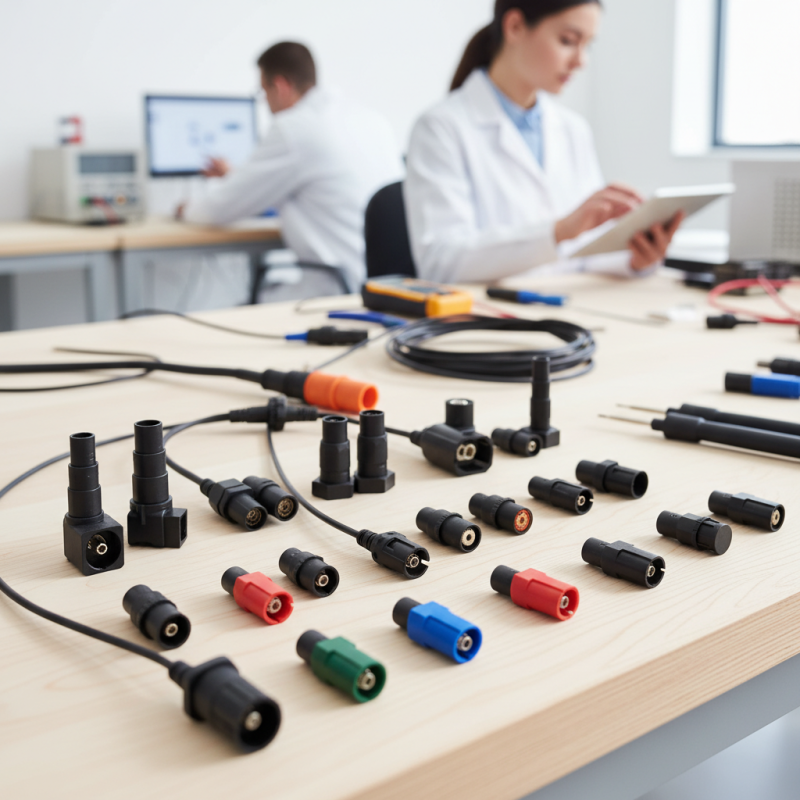
Essential Tips for Choosing Photovoltaic Connectors?
Choosing the right Photovoltaic connectors can be challenging. As Dr. Linda Green, a prominent expert in renewable energy, says, "The right connectors make a world of difference." This highlights the importance of making informed choices.
Photovoltaic connectors are critical for any solar system. They ensure efficient energy transmission and reliable performance. Poor connectors can lead to energy loss and safety issues. It's essential to consider factors such as temperature tolerance, durability, and compatibility.
Many overlook these details, believing all connectors are the same. Yet, subtle differences can significantly impact functionality. Carefully evaluating options could prevent future problems. Remember, in the world of solar energy, every small decision matters.
Understanding Photovoltaic Connectors: Types and Applications
Photovoltaic connectors play a crucial role in solar energy systems. They serve as the link between solar panels and other components, ensuring efficient and safe energy transmission. Various types of connectors exist, including MC4, Tyco, and Amphenol connectors. Each type has unique features that suit different applications, ranging from residential rooftops to large-scale solar farms. Understanding these specifics can make a significant difference in performance.
When selecting connectors, consider factors like current rating, voltage, and environmental resistance. For instance, connectors with a current rating of 30A or more are widely recommended for better durability. This aligns with industry reports indicating that high-quality connectors reduce energy losses by up to 5%. Always evaluate the environment where the connectors will be used. Options with weatherproof features can resist moisture and heat, enhancing longevity.
Tips: Always check compatibility with your solar panel specifications. Using mismatched connectors can lead to failures. Additionally, consider installation ease; some connectors are designed for tool-free assembly, saving time and effort. Regular maintenance checks can also help prevent unseen defects that might arise over time. While options are numerous, taking a careful approach will ultimately lead to a more efficient solar setup.
Key Factors to Consider When Selecting Photovoltaic Connectors
When selecting photovoltaic connectors, it's essential to consider several key factors. Firstly, the temperature rating is critical. Connectors should withstand the temperatures of their environment. Extreme heat or cold can cause malfunctions. A poor choice can lead to system failures.
Next, focus on the material quality. The right materials enhance durability and conductivity. Look for connectors with high resistance to corrosion. This is particularly important in outdoor installations. UV exposure can degrade subpar components over time.
Additionally, review the ease of installation. A complicated design can lead to mistakes. Try to choose connectors that allow for quick, secure connections. Remember, small errors can have significant consequences. Always think about future maintenance too. A connector that is easy to access will save time later.
Evaluating Durability and Weather Resistance of Connectors
When selecting photovoltaic connectors, assessing their durability and weather resistance is crucial. Connectors experience extreme conditions, from intense sunlight to heavy rain. A connector that looks good may not perform well in harsh environments. Different materials offer varying levels of endurance against UV rays and moisture.
Inspect the specifications carefully. Look for connectors made from high-quality plastics or metals. Some materials are better suited for outdoor use. High-temperature resistance is also important. Connectors need to withstand fluctuating temperatures without degrading.
Tips: Always check for IP ratings. These ratings indicate how well a connector resists dust and water. Seek connectors designed for long-term exposure to the elements. Consider asking for data on past performance in similar conditions. Durability tests can reveal weaknesses, helping you avoid costly mistakes in the future.
Remember, not all connectors are created equal. Some may fail sooner than expected. Take time to compare options. Understanding the impact of weather on your choice will lead to better decision-making.
Compatibility and Standards for Photovoltaic System Connectors
When selecting connectors for photovoltaic systems, compatibility is paramount. Different systems may use varying connector types. Ensure that the connectors you choose align with your system's specifications. Check the voltage and current ratings to avoid potential issues. Additionally, some connectors are designed for specific applications, like residential or commercial setups. This nuance can greatly affect overall efficiency.
Standards are just as crucial in this selection process. Look for connectors that meet recognized industry standards. These ensure quality and safety. However, it's essential to note that adhering to standards alone does not guarantee optimal performance. Sometimes, a connector that meets all the guidelines may still not suit your specific needs. Always consider the environmental conditions. Moisture, dust, and temperature fluctuations can impact performance, even for standard-compliant connectors. Testing different scenarios can reveal surprising insights about their reliability.
Ultimately, finding the right photovoltaic connectors requires careful consideration. Missteps in selection can lead to inefficiencies in your system. Sometimes, what seems like a minor detail can turn into a significant issue later. Continuous learning and adapting your choices will lead to better outcomes in the long run.
Installation and Maintenance Tips for Photovoltaic Connectors
When installing photovoltaic connectors, attention to detail is crucial. Proper connector installation ensures longevity and efficiency. Research indicates that faulty connections can reduce system performance by up to 20%. This is a significant loss for any solar energy project.
Tips for installation: Always check the manufacturer's specifications. Ensure the connectors are rated for your specific application. Environmental factors like humidity and temperature can impact performance. A common mistake is overlooking these conditions.
Maintenance is equally vital. Regular inspections can prevent potential issues. Loose connections or corrosion can lead to system failure. Ideally, connectors should be cleaned every six months. However, if you notice dirt or debris, clean them sooner.
It's easy to overlook connectors during maintenance checks. Yet, they play a key role in the overall functionality of photovoltaic systems. Stay vigilant and proactive in your approach. This attention to detail can make a significant difference in performance and longevity.