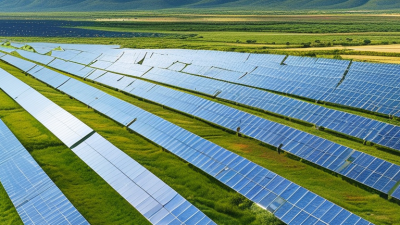
What Are the Top Types of Solar Power Lights?

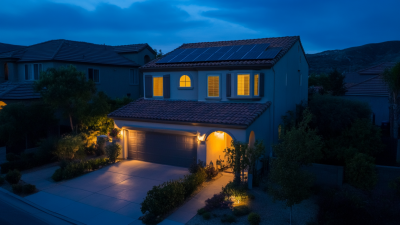
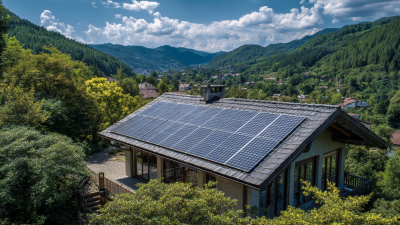
Solar Power Lights now range from small pathway stakes to bright security floods, yet their differences are easy to miss on a product page. IRENA’s Renewable Capacity Statistics 2024 reports that global solar photovoltaic capacity reached about 1,419 gigawatts by the end of 2023. That figure describes the wider solar industry, not solar-light sales. Still, it shows how quickly the technology is expanding.

Fatih Birol, Executive Director of the International Energy Agency, described solar as “the new king of electricity markets around the world.” His comment concerns solar power broadly, but its falling costs also shape the components used in lighting products. Buyers still need to look beyond the panel. A shaded garden stake, a motion-sensing wall light, and a portable lantern face very different demands. Battery capacity, panel placement, brightness, and weather resistance can matter more than a polished product photo. That is where comparisons get less tidy.

This guide examines the top types of Solar Power Lights, including pathway, garden, wall-mounted, flood, and portable models. It explains where each type works best and what specifications deserve attention. A high lumen rating may look impressive, but it says little about how long a light stays bright after a cloudy day. Small details count. We will also consider practical trade-offs, because no single design suits every yard, entrance, or campsite. Some products may disappoint when real conditions differ from the label. That deserves a closer look.
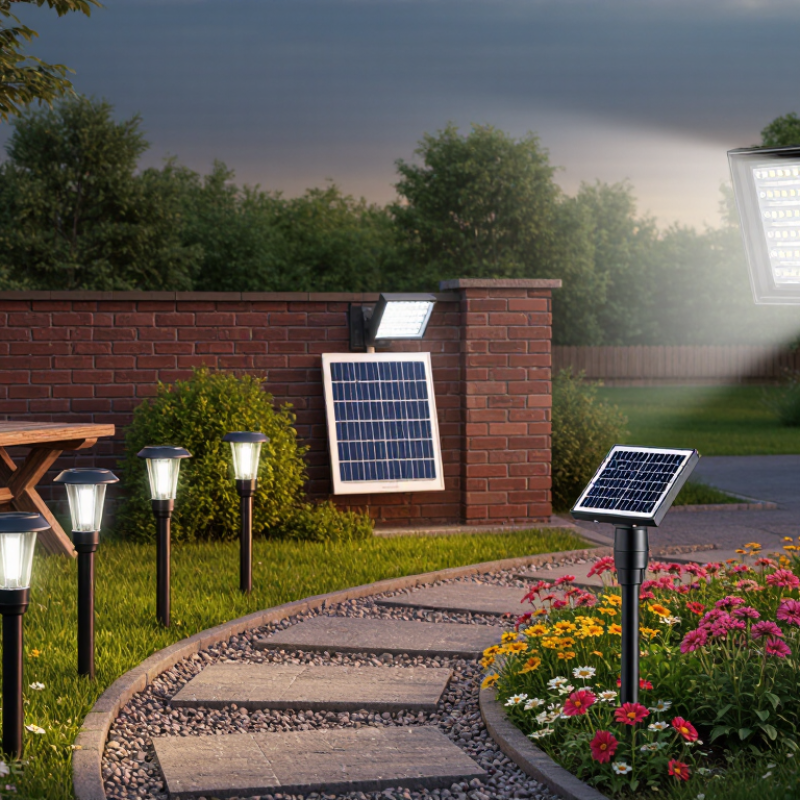
What Are the Top Types of Solar Power Lights?

Solar Pathway Lights for Walkways and Garden Borders

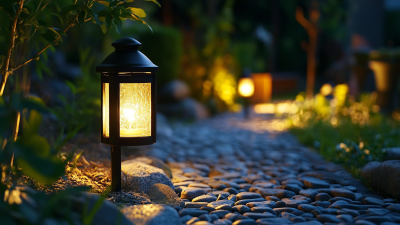
Solar pathway lights work best when they guide feet, not just decorate a border. Place them beside changes in level, garden turns, and the edge of a walkway. Keep each panel clear of dense foliage and shadows from walls. A row of lights can look neat at noon, yet leave dark gaps after sunset. Spacing matters.

For practical brightness, check the stated lumen output and beam direction, not only the number of LEDs. Low, shielded fixtures can mark a path without shining directly into eyes. The U.S. Department of Energy’s Energy Saver guidance says LED bulbs use at least 75% less energy than incandescent bulbs. It also reports that LEDs can last up to 25 times longer. These figures compare LED bulbs with incandescent bulbs, not complete solar pathway fixtures, so they should not be treated as a runtime guarantee.

Sun exposure and weather shape real performance. A panel receiving several hours of direct sunlight will usually recharge more reliably than one beneath a tree canopy. On cloudy days, expect shorter or dimmer operation; small built-in batteries have limits. I would test a few lights along the route before installing a full border. That extra step is easy to skip. Check whether the path remains visible after rain and on a moonless evening, when decorative glow may not be enough.

Solar Landscape Spotlights for Trees, Walls, and Features

Solar landscape spotlights can make a tree, stone wall, or garden feature stand out after sunset. The result depends on beam angle, brightness, and placement, not simply the number of lights. A narrow beam can reveal a trunk’s texture, while a wider beam can cover a low wall or broad sculpture. Aim upward, but keep the light out of windows and away from people’s eyes. Test it after dusk.

Tips: Place the solar panel where it gets several hours of direct sunlight, and wipe away dust occasionally. Shade from branches can shorten run time. Small changes in panel position matter.

For a tree, set the spotlight slightly to one side rather than directly beneath the trunk. This creates depth and can make leaves cast soft shadows. To emphasize a wall, angle the beam across its surface; grazing light brings out stone or brick texture. Keep fixtures stable in the soil, especially where rain may loosen it. Some layouts still look uneven on the first try. Move one light a little, then check the effect from the main viewing spot. A small miss matters.

Top Types of Solar Landscape Spotlights

Suggested beam-angle ranges for highlighting trees, walls, and landscape features.

Narrow beams concentrate light on tall trees and vertical accents; medium beams suit shrubs and sculptures; wide beams spread light across walls and broader features. These are practical planning ranges, not standardized product specifications. Actual beam angles vary by fixture.

Solar Security and Flood Lights for Entrances and Large Areas

Solar security lights work well at entrances where wiring is difficult or a path needs light only when someone approaches. Motion sensors can reduce unnecessary operation, while a brief delay keeps the area visible as a person reaches the door. Aim the fixture toward steps, locks, and walkways—not directly into a neighbor’s window. Placement matters.

Flood lights suit driveways, yards, loading areas, and other broad spaces. A wide beam can reveal uneven pavement or obstacles near a gate, but one bright fixture may leave deep shadows at the edges. For larger areas, consider several lower-output lights instead of relying on a single intense beam. Check the panel’s exposure to direct sun, and keep it clear of leaves and dust. Battery performance can drop after cloudy days or during shorter winter daylight, so actual run time may be less than expected. A light that looks strong in a product description still needs a sensible location. That part is easy to overlook. Test the coverage after dark, then adjust the angle if glare or dark patches remain.

What Are the Top Types of Solar Power Lights? - Solar Security and Flood Lights for Entrances and Large Areas

Type of Solar Light How It Works Best Suited For Key Selection Considerations
Motion-Activated Security Flood Light A motion sensor switches the light on when movement is detected. Many models offer adjustable sensitivity, detection range, or on-time. Doorways, driveways, gates, and other entrances where light is needed when someone approaches. Check sensor coverage, aiming options, brightness settings, and whether the panel receives enough direct sunlight.
Dusk-to-Dawn Flood Light A light sensor turns the fixture on in low light and off in daylight. Some models also include a motion mode or adjustable brightness. Paths, building approaches, and entrances that need regular nighttime illumination. Continuous operation depends on the model, battery capacity, sunlight, and local seasonal conditions. Review the stated runtime and operating modes.
Split Solar Flood Light The solar panel is separate from the lamp and connects by cable, allowing each part to be positioned independently. Covered entrances, shaded walls, garages, and locations where the light and panel need different positions. Check cable length, weather protection at connections, panel orientation, and whether the installation location gets adequate sun.
Integrated Solar Flood Light The solar panel, battery, and LED light are combined in one fixture, making installation straightforward where the mounting point receives sunlight. Unshaded exterior walls, small yards, sheds, and entrances with a suitable sun-exposed mounting position. Because the panel and lamp share a mounting location, confirm that the panel will not be shaded and that the light can be aimed at the intended area.
Multi-Head Solar Security Light Two or more adjustable light heads direct illumination toward different parts of an area; many versions include a motion sensor. Corners, wide driveways, building entrances, and spaces that need light directed in more than one direction. Review head adjustment, sensor placement, and the manufacturer’s coverage guidance. Avoid aiming lights toward neighboring properties or road users.
High-Output Area Flood Light A fixture designed to illuminate a broader outdoor area, sometimes with selectable brightness or operating modes. Large yards, open parking areas, outbuildings, and broad approaches where a small entrance light may not provide sufficient coverage. Compare published lumen output, beam angle, mounting height, battery capacity, and expected runtime. Actual coverage varies with layout and installation.

Solar performance depends on sunlight exposure, season, weather, installation angle, battery condition, and the selected operating mode. Check the product’s stated specifications and local outdoor-lighting requirements before installation.

Solar String and Decorative Lights for Ambient Outdoor Lighting

Solar string lights and decorative solar lights create a softer outdoor atmosphere than bright security fixtures. Strings can trace a fence, pergola, or balcony railing, giving a patio a warm outline after sunset. Small lanterns or shaped garden lights add gentle points of interest beside steps and planters. The best choice depends on the space: a long string suits open edges, while a few decorative lights work well in corners. Keep it gentle.

Tips: Place the solar panel where it receives several hours of direct sunlight, and angle it away from shade when possible. Check that the cable reaches your planned route before hanging the lights. Leave enough slack for safe movement, and keep panels clear of leaves and dust. Cloudy weather can reduce evening brightness.

For a relaxed look, use warm-toned lights and space them evenly rather than crowding one area. A simple test helps: switch them on at dusk and notice whether the glow feels comfortable from a seated position. Solar lighting is convenient, but performance varies with season, weather, and placement. I have found that a shaded panel can disappoint, even when the lights themselves seem well made. Not every night. Make adjustments after a few evenings instead of expecting the first layout to be perfect.

Portable Solar Lanterns and Task Lights for Off-Grid Use

Portable solar lanterns are useful when a campsite, shed, or power outage leaves no outlet nearby. Many models collapse or fold, making them easy to pack beside a water bottle and first-aid kit. A hanging handle can light a tent ceiling, while a flat base works on a table. Some lanterns also include a small USB output, but using it to charge a phone can drain the light’s battery quickly. Worth checking before a long trip.

Task lights serve a different purpose. Their focused beams help with cooking, repairing gear, or reading a map without lighting an entire campsite. Look for an adjustable head, a stable base, and controls that remain easy to use with cold hands. Solar charging is convenient, but a cloudy afternoon may not refill a battery before evening. Give the panel direct sun when possible, and check the maker’s guidance for charging time and water resistance. Small panels can take longer than expected. I have learned not to assume a bright midday charge means hours of steady light; brightness settings and battery age matter, too. A modest backup light can prevent a frustrating night.